
The New Fed Chair Owns $100M in Crypto — And Nobody at the Fed Has Ever Said That Before
The Federal Reserve has a new boss. And for the first time in its 113-year history, that boss owns crypto.
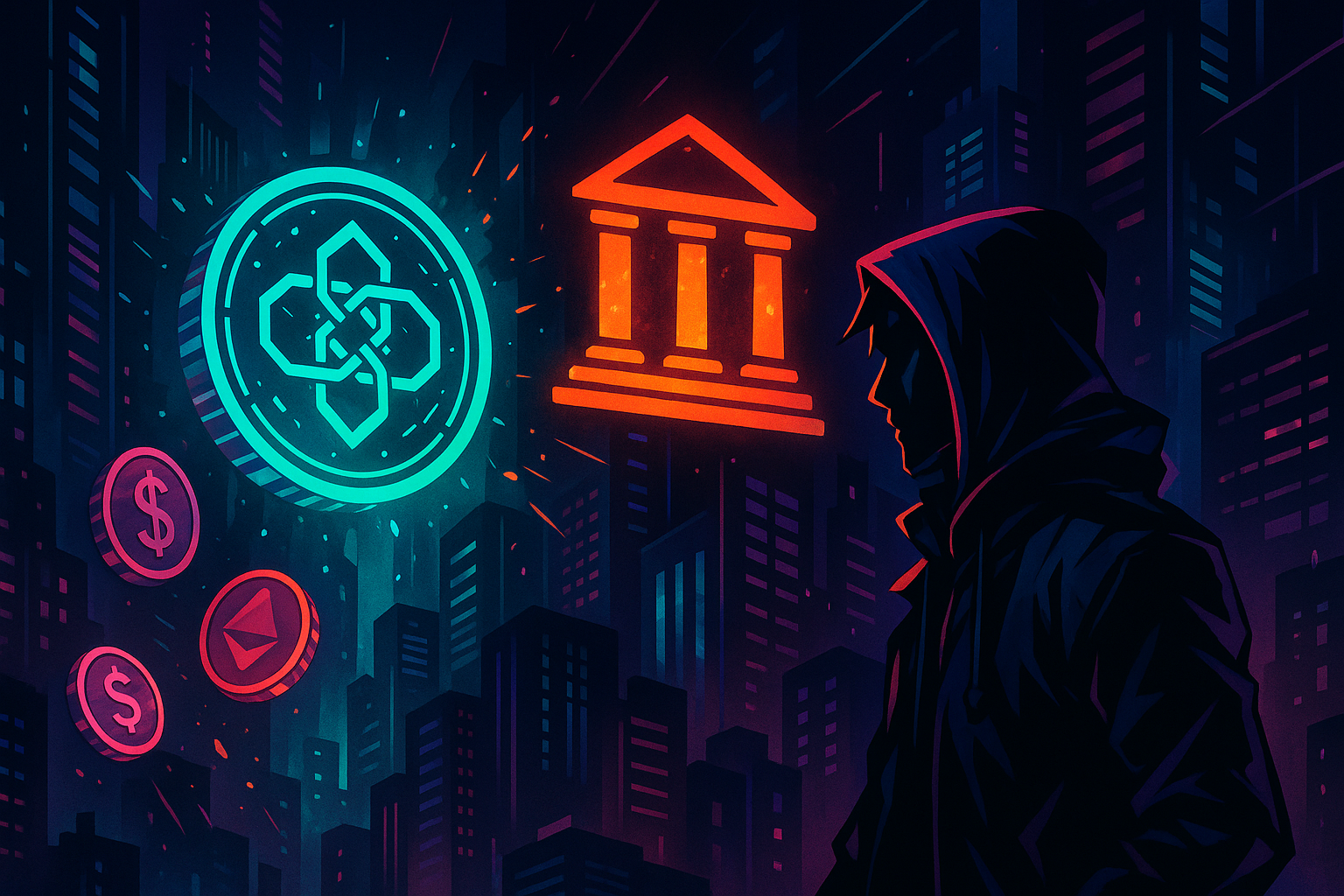
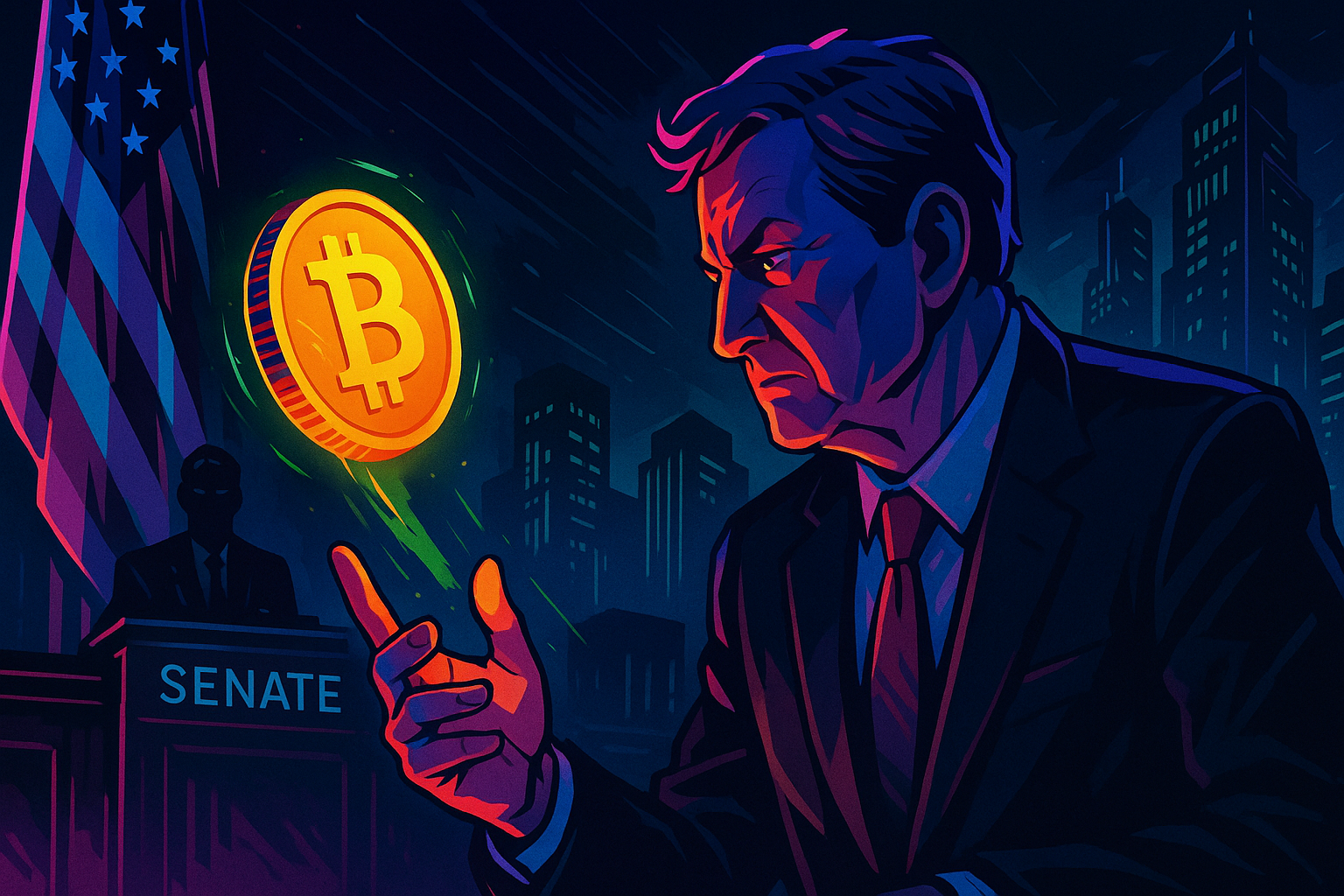
Kevin Warsh was confirmed by the Senate 54–45 on May 14 — the closest confirmation vote in the central bank’s modern history — and officially took over from Jerome Powell today, May 15, 2026. His disclosed holdings: over $100 million in personal assets that include Solana, dYdX, an equity stake in Flashnet (a Bitcoin Lightning payments startup), ties to Bitwise (crypto ETF manager), and a position in Basis (a stablecoin project).
Let that sink in. The person who now sets interest rates for the world’s reserve currency has real, direct skin in the crypto game.
What Just Happened
Powell is out. Warsh is in. The handoff happened today.
The Senate confirmation was brutal — 54–45, with Pennsylvania Democrat John Fetterman breaking ranks as the sole crossover vote. No Fed chair confirmation has been this divisive in modern history, which itself signals how politically charged monetary policy has become in 2026.
Warsh, 56, a former Fed governor who served under Ben Bernanke during the 2008 crisis, was Trump’s pick. He’s a Stanford fellow, Hoover Institution fixture, and longtime inflation hawk — but his second act comes loaded with crypto exposure that would have been unthinkable for any previous Fed chair.
The Crypto Portfolio
At his April disclosure, Warsh’s holdings included:
- Solana — direct token exposure
- dYdX — the decentralized derivatives protocol
- Flashnet — equity in a Bitcoin Lightning payments company
- Bitwise — the crypto index fund manager
- Basis — a stablecoin project
This isn’t a Grayscale trust buried in a pension fund. These are active, sector-specific bets across L1s, DeFi, Bitcoin payments infrastructure, and stablecoins. The man clearly has opinions about where crypto is going.
At a Hoover Institution event last year, Warsh called Bitcoin “an important asset” and “a very good policeman for policy” — framing its price as a real-time signal on Fed credibility, not a threat to dollar dominance.
The Tension: Crypto-Friendly Chair, Hawkish Rate Stance
Here’s where it gets complicated for crypto markets.
Warsh is an inflation hawk. He’s signaled he’ll keep rates higher for longer than markets want. His first FOMC meeting is June 16–17, and traders are currently pricing 97% odds of no rate cut at that meeting — regardless of Trump’s very public demands for easing.
Bitcoin is trading near $78,000–$80,000 as Warsh takes the chair. During his Senate hearing, BTC briefly dipped toward $75K as traders processed the rate hawkishness alongside the crypto-bullish background.
The short-term vs long-term trade-off is real:
- Short-term pain: Higher rates longer = less liquidity = pressure on risk assets including crypto
- Long-term signal: A Fed chair with direct crypto holdings and no incentive to crush the industry changes the baseline regulatory temperature permanently
Why This Matters for Crypto Jobs
This is one of the most consequential macro events for the crypto industry in years — and it translates directly into hiring:
Compliance and regulatory roles are about to surge. With the CLARITY Act passing committee the same week and now the most crypto-aware Fed chair in history in place, institutions that were sitting on the sidelines are moving. Traditional finance firms — banks, asset managers, fintechs — will be building out crypto desks, compliance teams, and product functions at scale.
Stablecoin infrastructure is hiring. Warsh’s stablecoin positioning (Basis stake) signals where policy is heading: private-sector stablecoins are the preferred path. Issuers and the infrastructure layer below them — payment processors, custody, compliance tooling — need engineers, product managers, and lawyers now.
Bitcoin payments is getting serious. Flashnet is a Lightning-focused payments company. The new Fed chair has equity in it. That’s not a coincidence — it’s a signal about where the next wave of merchant adoption and institutional infrastructure is being built.
DeFi protocols need institutional-grade talent. The dYdX exposure suggests Warsh sees DeFi derivatives as legitimate infrastructure, not shadow finance. Protocols positioning for institutional flows will be racing to hire risk engineers, quant traders, and compliance specialists.
The Bottom Line
For 113 years, every Fed chair treated crypto as either irrelevant, a threat, or something that “doesn’t pass the test of gold.” That era ended today.
Warsh will likely disappoint rate-cut hopefuls in the short term. But the structural shift is undeniable: the most powerful financial regulator in the world now has personal financial exposure to the asset class he oversees. The conflict of interest debates will be fierce — but so will the opportunities for builders, founders, and crypto professionals who’ve been waiting for DC to stop treating them like criminals.
The June FOMC will be the first real test. Watch how Warsh talks about financial stability, innovation, and the dollar. The language will matter as much as the rate decision.
Looking for your next role in crypto’s next chapter? The Warsh era changes the calculus for every institution sitting on the fence. Compliance lawyers, DeFi engineers, stablecoin product teams, and Bitcoin payments developers — they’re all hiring. Browse open roles at cryptogrind.com and get ahead of the wave.

Discussion
Comments are powered by GitHub. Sign in with your GitHub account to chime in.