
Jack Dorsey Hates Stablecoins. He Just Gave Them to 60 Million People Anyway.
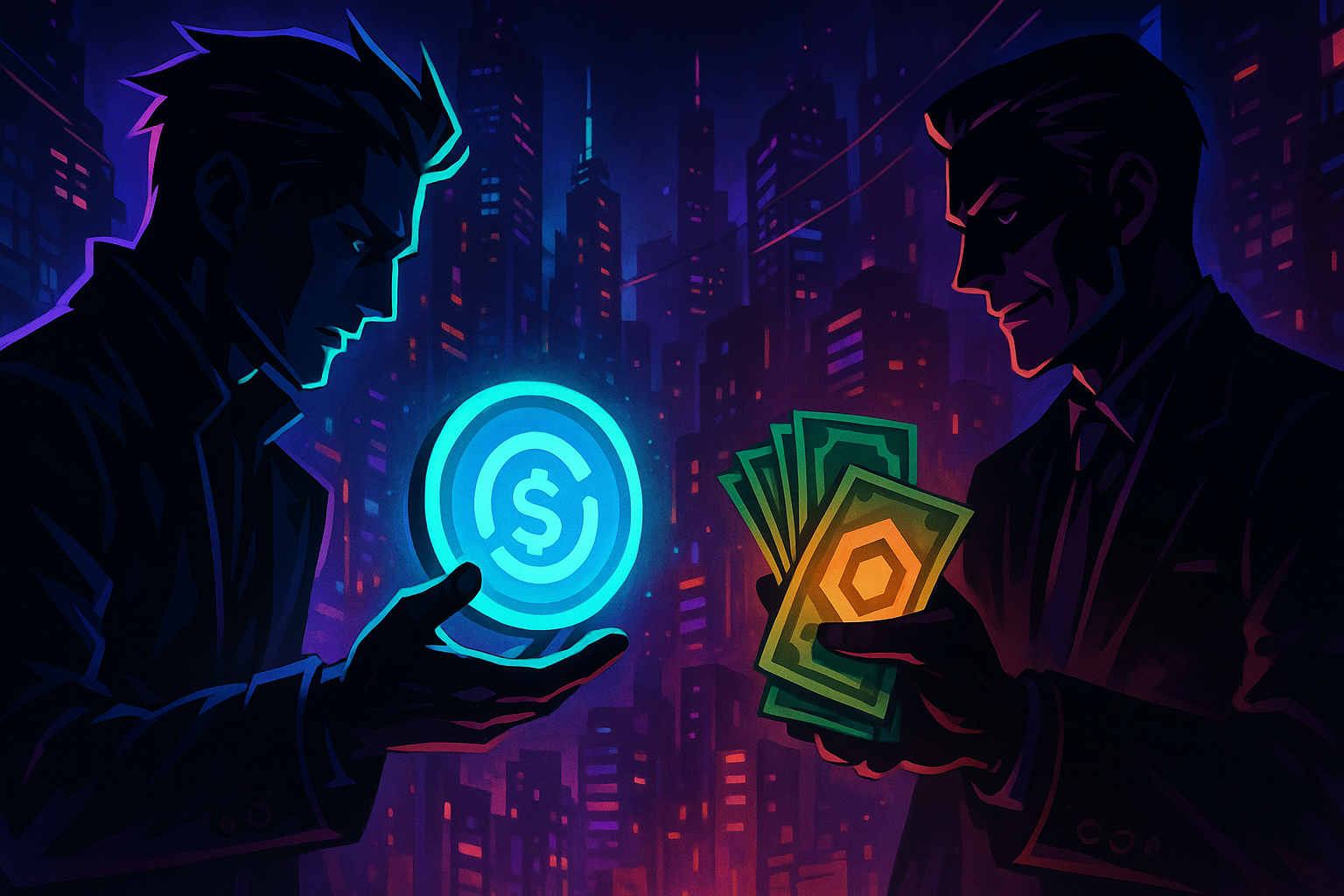
Jack Dorsey has never hidden his disdain for stablecoins. The Block CEO has called them a step backward — swapping one gatekeeper for another. He’s spent years insisting that Bitcoin, and only Bitcoin, is the real financial revolution.
Then he handed USDC to 60 million people.
What Happened
Block began rolling out USDC stablecoin send-and-receive functionality to Cash App users today, May 27, 2026 — covering roughly 15 million users (25% of its base) at launch, with a full rollout to all ~60 million monthly active users planned by the end of the week.
The feature supports USDC across four networks: Solana, Ethereum, Polygon, and Arbitrum. Users can receive USDC from external wallets into their Cash App fiat balance, or withdraw to external wallets using blockchain rails. Think of it as a crypto on/off ramp baked directly into an app most Americans already have on their phone.
Transaction limits are strict: identity-verified users can send up to $2,000 daily ($5,000 weekly) and receive up to $10,000 weekly. New York residents are blocked entirely. And the platform is pulling zero punches on the irreversibility warning — funds sent to a wrong address are gone forever.
The Quote That Says Everything
Dorsey addressed the move bluntly at Block’s annual shareholder meeting earlier this year:
“I don’t like that we’re going to support stablecoins but our customers want to use them.”
He also added: “I don’t think it’s wise to go from one gatekeeper to another.”
That’s a CEO publicly admitting he disagrees with his own product strategy. It’s rare. It’s honest. And it signals something important: even the hardest of Bitcoin maxis are getting forced to bend by market reality.
Why Dorsey Folded
Competitive pressure is the simple answer. Stripe reintegrated USDC payments in 2023. PayPal launched its own PYUSD stablecoin. Venmo supports crypto. Cash App — which competes directly with all of them — was the odd one out among major consumer fintechs.
When your 60 million users are walking over to Stripe and PayPal to send dollars over crypto rails, ideology becomes expensive. Dorsey didn’t change his mind. He just got outvoted by the market.
Solana Gets a Jackpot
The chain that arguably benefits most here is Solana. Cheap, fast, and already USDC-native — SOL is positioned to handle the lion’s share of Cash App’s stablecoin transaction volume as the rollout scales. For context, Solana has been processing ~45 million transactions per day. Adding even a fraction of Cash App’s 60 million users to that volume would be significant.
Ethereum, Polygon, and Arbitrum are supported too, but Solana’s sub-cent fees make it the obvious default for consumer payments.
What This Means for the Industry
Cash App is not a crypto-native app. It’s a mainstream consumer fintech. When stablecoins land in Cash App, they land in truck drivers’ phones, in teenagers’ Venmo-equivalent accounts, in households that have never thought about blockchain.
This is the quiet infrastructure layer of crypto adoption that doesn’t make headlines the same way Bitcoin ATH does — but it’s arguably more important. Stablecoins going mainstream through Cash App means a generation of users will experience blockchain rails without ever knowing it.
For context: the GENIUS Act — the first major US stablecoin regulatory framework — passed the Senate just six days ago. The timing is not a coincidence. Regulatory clarity is what gave Block the green light to ship.
Why This Matters for Crypto Jobs
This is a hiring signal, not just a product launch.
Block doesn’t build in isolation — they’re going to need engineers, compliance staff, and product people to support stablecoin infrastructure at scale. But the bigger effect is upstream: every company that has been sitting on stablecoin product plans waiting for a regulatory green light now has the combo of the GENIUS Act and Cash App validation to go ship.
Expect a surge in:
- Stablecoin protocol engineers (Solana/Rust devs especially)
- Compliance and KYC/AML specialists with crypto rails experience
- Payment infrastructure engineers (multi-chain USDC integration)
- Product managers with consumer fintech + crypto backgrounds
The companies building on top of this moment — new stablecoin wallets, payment APIs, B2B settlement layers — are going to be hiring aggressively in Q3 2026.
If you’re a builder, engineer, or product person ready to ride the stablecoin wave, the jobs are moving fast right now.
Browse crypto and Web3 jobs at Cryptogrind — updated daily, no recruiter spam.

Discussion
Comments are powered by GitHub. Sign in with your GitHub account to chime in.