
North Korea Robbed Drift. Tether Wrote the Check — and Just Dethroned Circle on Solana.
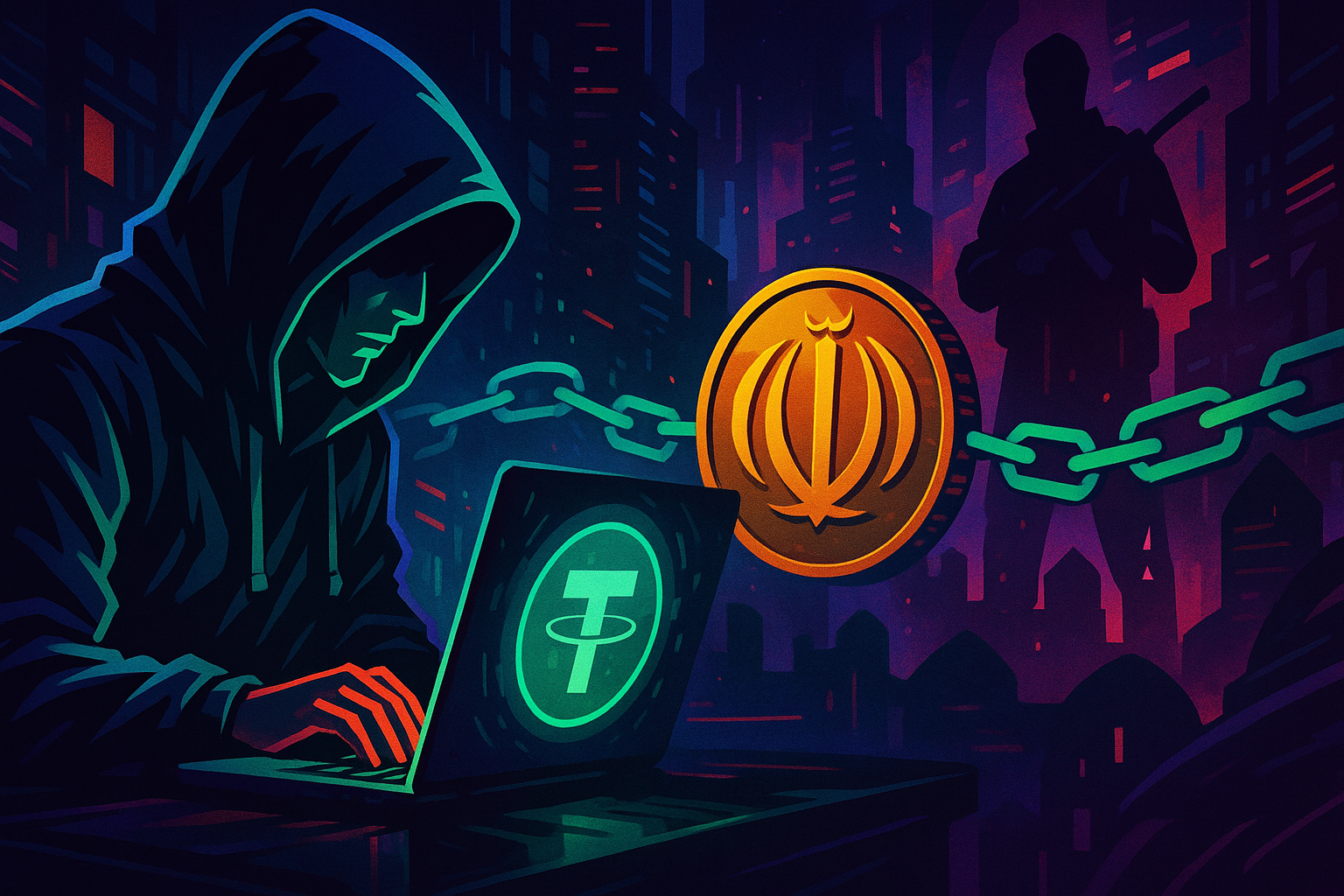
Tether didn’t just bail out Drift Protocol today. It used North Korea’s $285M heist as a leverage tool to quietly displace Circle’s USDC from one of Solana’s biggest DeFi venues — and the market loves it.
DRIFT is up 20% on the news. Circle is not having a good afternoon.
What Happened
On April 1, 2026 — April Fool’s Day, in the cruelest possible irony — a DPRK-linked hacker group pulled off the largest DeFi exploit of 2026: a six-month social engineering operation that drained $270–285 million from Drift Protocol, Solana’s biggest perpetual futures exchange.
The attackers weren’t script kiddies. They were a state-sponsored crew (UNC4736, aka AppleJeus / Citrine Sleet) who spent half a year building trust: showing up at crypto conferences, depositing $1M+ of their own capital, integrating a working Ecosystem Vault, and meeting Drift contributors face-to-face across multiple countries. When the time came, they exploited a VSCode/Cursor vulnerability to harvest multisig pre-authorizations — and manufactured a fake asset called CarbonVote Token with a few thousand dollars in seeded liquidity. Drift’s oracles read it as legitimate collateral worth hundreds of millions. Game over.
Total user losses: approximately $295 million.
Today’s Rescue — With Strings Attached
Sixteen days later, Tether is stepping in with a rescue package:
- Tether: up to $127.5 million
- Other partners: up to $20 million
- Total: up to $147.5 million
The structure is revenue-linked — a share of Drift’s future trading fees, combined with committed capital, flows into a dedicated recovery pool. The goal: cover the full $295M in user losses over time.
To distribute recovery assets, Drift will issue a new recovery token — separate from the DRIFT governance token, fully transferable, each token representing a claim on the recovery pool.
The Real Story: Tether vs. Circle
Here’s what the funding announcement buries in paragraph six: Drift is replacing Circle’s USDC with Tether’s USDT as its core settlement layer.
Not just “accepting USDT.” Replacing. USDT becomes the base settlement currency for all trades, with Tether funding fee reductions, user incentives, and liquidity support for designated market makers at relaunch.
Circle loses a flagship DeFi venue on Solana. Tether gains it — and gets to brand itself as the protocol’s savior in the process.
In the stablecoin wars, that’s called a hostile acquisition dressed up as charity.
The Numbers
| Metric | Figure |
|---|---|
| Total stolen (April 1) | ~$285M |
| Total user losses | ~$295M |
| Tether commitment | up to $127.5M |
| Partner commitment | up to $20M |
| DRIFT token reaction | +20% |
| North Korea infiltration window | ~6 months |
| DPRK group | UNC4736 (Citrine Sleet) |
Why This Matters for Crypto Jobs
The Drift exploit and recovery are reshaping where talent flows in 2026:
Security engineers are the new rock stars. The attack wasn’t a smart contract bug — it was a social engineering operation with physical conference presence and insider access. Protocols are now hiring red-team leads, threat intelligence analysts, and multisig governance specialists at rates that rival TradFi.
DeFi protocol ops roles are multiplying. Designing and deploying recovery tokens, managing creditor claims, and building revenue-linked repayment structures is a new job category. Every major protocol is war-gaming what their post-exploit playbook looks like.
Stablecoin integration engineers are in demand. Tether’s move is accelerating stablecoin competition across Solana DeFi. Protocols are actively evaluating their settlement layer choices — and they need engineers who understand the tradeoffs between USDT, USDC, and the emerging alternatives.
Due diligence and vendor security roles are surging. UNC4736 spent six months inside Drift’s orbit before striking. Every protocol that read this story is now hiring people to build partner vetting frameworks that can detect nation-state-level social engineering.
If the Drift story has you thinking about your next move in DeFi or security, Cryptogrind tracks the jobs at protocols, security firms, and stablecoin issuers building what comes next. Don’t just watch the chaos — get paid to fix it.


Discussion
Comments are powered by GitHub. Sign in with your GitHub account to chime in.