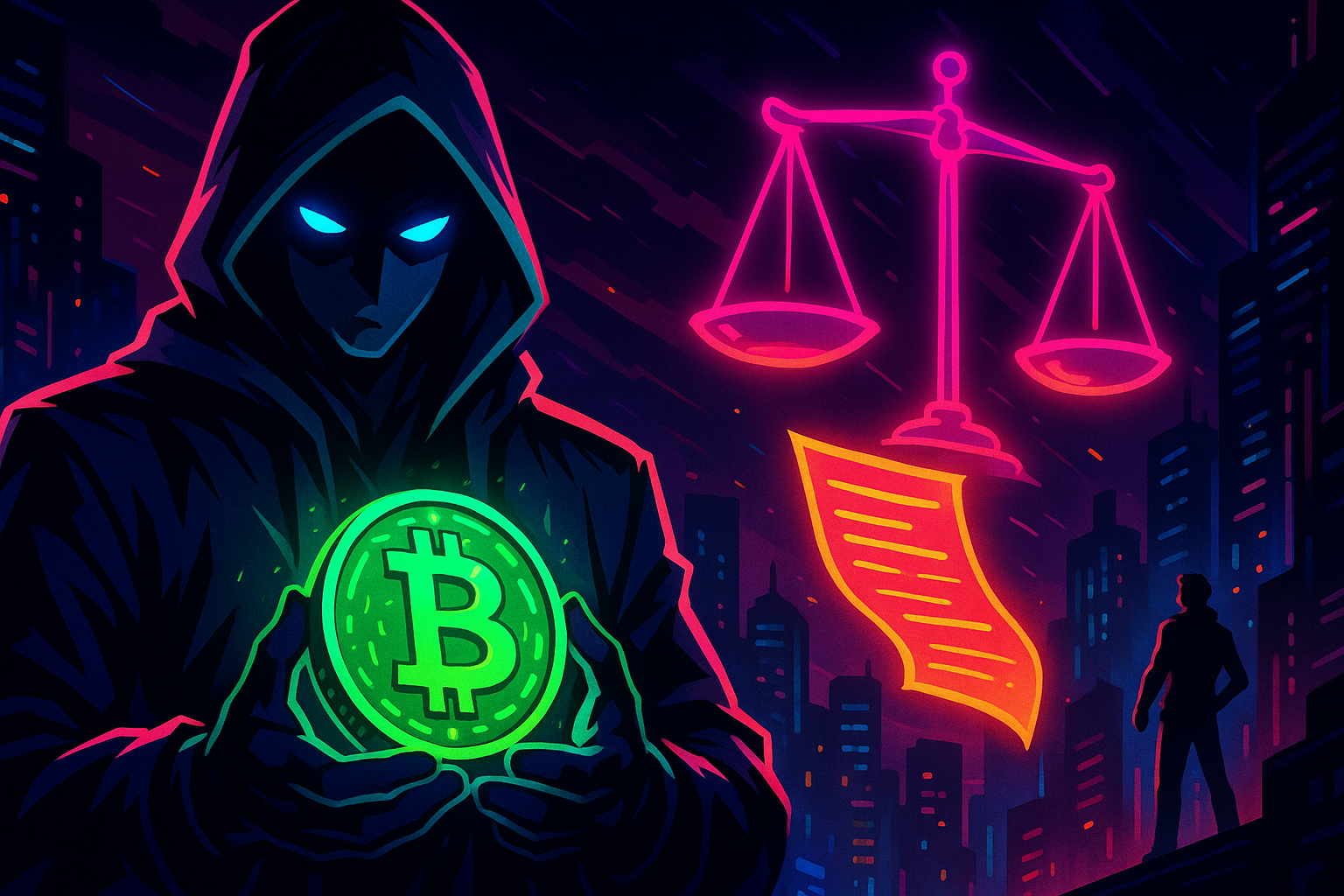
The SEC Just Surrendered: Startups Can Now Raise $75M in Crypto Without Getting Sued
After years of crypto founders watching their competitors get subpoenaed for raising money, the SEC is about to change the game.
SEC Chair Paul Atkins confirmed on July 7 that Regulation Crypto — the agency’s long-promised safe harbor framework — is dropping as soon as this month. For the first time in the industry’s history, crypto startups, DeFi protocols, and tokenized securities issuers will get formal, written protection from SEC enforcement action. No more building in fear. No more “regulation by lawsuit.”
What Regulation Crypto Actually Does
This isn’t another vague speech. The proposal establishes concrete safe harbors across three categories:
1. Early-stage startups get a 4-year runway Companies valued under $5 million in their first four years can experiment with crypto products without triggering securities registration requirements. If you’re building, you now have a window to operate without the SEC treating your token launch as an unregistered securities offering.
2. Fundraising up to $75 million gets protected Entrepreneurs raising up to $75 million through qualifying crypto investment contracts — think token sales, SAFTs, and similar instruments — would be explicitly shielded. This is the number the industry has been waiting for. $75M covers the seed-to-Series A range where most enforcement risk has historically lived.
3. Decentralized protocols get a legal path out Projects where the founding team has “ceased all essential managerial efforts” — i.e., genuinely decentralized protocols — qualify for a separate safe harbor. The Howey Test’s “common enterprise” and “efforts of others” prongs stop applying when there’s no one left to be “the others.” This gives mature DeFi protocols a clean regulatory exit ramp.
DeFi and Tokenized Securities: The Big Targets
Regulation Crypto specifically names DeFi and tokenized securities as areas where qualifying activity won’t trigger enforcement. This is massive.
The SEC is acknowledging what the industry has argued for a decade: you cannot force a smart contract to file an S-1. The traditional registration apparatus is structurally incompatible with on-chain finance. Instead of trying to hammer that square peg through a round hole, the agency is building a new framework.
Separately, Atkins confirmed the SEC is also working on a broader approach to facilitate tokenized securities trading — a parallel rulemaking that would bring tokenized stocks and bonds into the regulatory perimeter without crushing them under 1930s-era rules designed for physical paper certificates.
Why Now?
The proposal was originally targeted for January 2026 but got delayed — reportedly due to uncertainty around Congress’s pending Clarity Act (the comprehensive crypto market structure bill). Now that the Clarity Act’s framework is clearer, the SEC is moving. The rule goes to the White House for final review before publication, and public comments will be solicited once it drops.
Atkins framed it plainly: the goal is to ensure “the United States is the crypto capital of the world” — aligning with President Trump’s directive to bring crypto activity onshore rather than drive founders to Dubai and Singapore.
The Shift from “Regulation by Enforcement” Is Real
Since 2018, the SEC’s default tool against crypto was the subpoena. Sue first, ask questions about compliance never. The result: billions in legal fees, chilling effects on U.S.-based fundraising, and a brain drain of builders to friendlier jurisdictions.
Regulation Crypto formally ends that era. Enforcement doesn’t disappear — fraud, rug pulls, and outright scams remain fair game — but the existential ambiguity hanging over every legitimate token sale goes away.
The industry’s response has been cautious optimism. The details matter enormously: how “ceased all essential managerial efforts” gets defined will determine whether it’s a usable safe harbor or a trap. But the direction of travel is undeniable.
Why This Matters for Crypto Jobs
Regulatory clarity is the single biggest unlock for institutional hiring in crypto. Every compliance team, legal department, and risk function at a traditional finance firm has been waiting for exactly this signal before greenlighting a Web3 build.
Expect to see:
- Surge in compliance and legal hires at crypto-native firms preparing to operate under the new framework
- Tokenization teams at TradFi institutions spinning up properly now that the SEC has acknowledged tokenized securities have a legal home
- DeFi protocol developers getting hired full-time rather than working through pseudonymous contributor arrangements designed to minimize legal exposure
- Fundraising activity unlocked — $75M protection means VCs can wire money without their lawyers screaming
The safe harbor drops this month. If you’re a builder, a lawyer, or a founder who’s been sitting on the sidelines, the window just opened.
Ready to work in the industry that just got its operating license? Browse open roles at cryptogrind.com — the job board built for crypto and Web3 professionals.


Discussion
Comments are powered by GitHub. Sign in with your GitHub account to chime in.