
Iran Used a Crypto Exchange You've Barely Heard of to Move $3.84 Billion Past US Sanctions
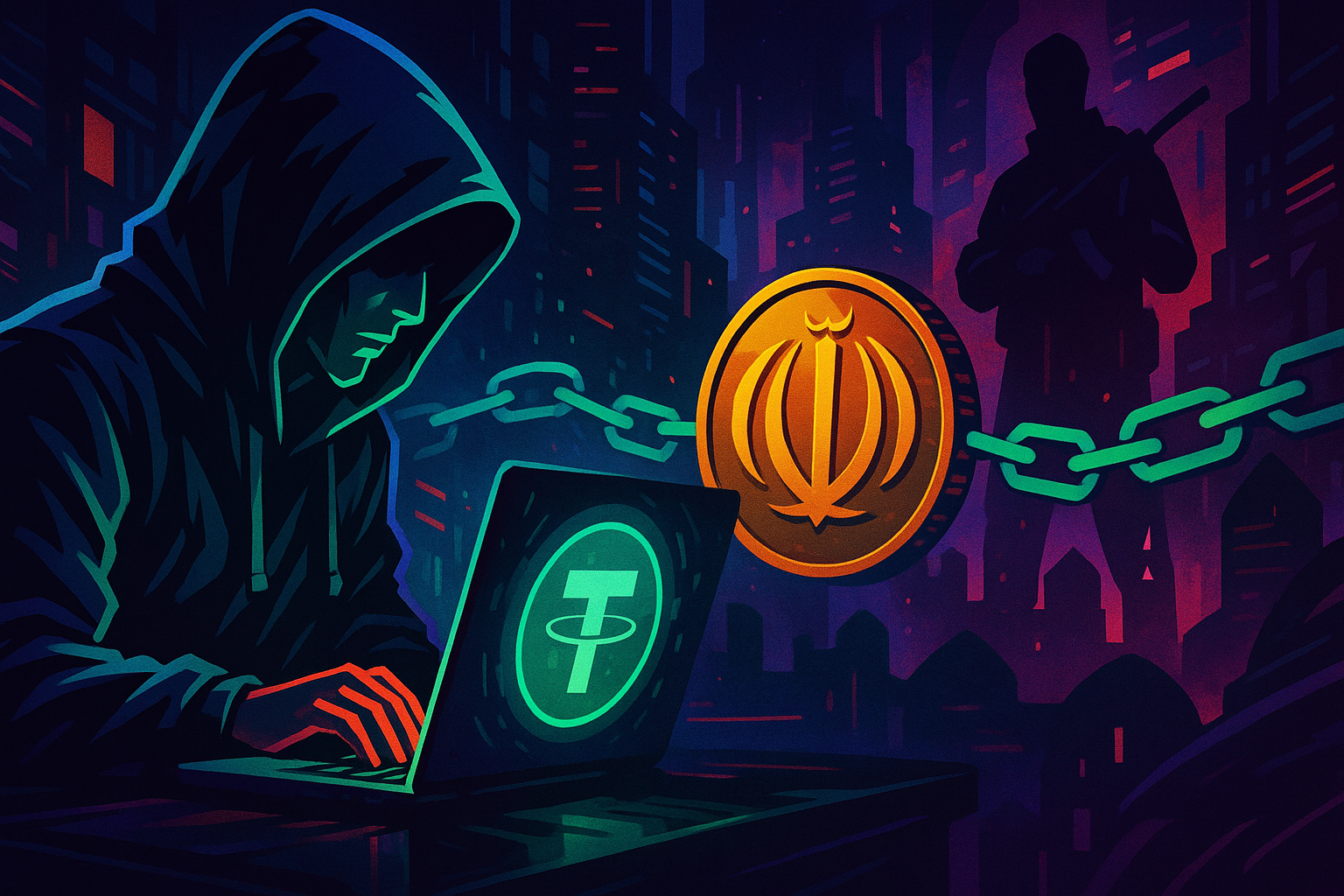
Iran didn’t use Binance. It didn’t use Coinbase. It used CoinEx — and for seven years, it moved $3.84 billion through the exchange to plug itself into global crypto markets while US sanctions were supposed to be keeping the country cut off.
That’s the finding dropped today by blockchain intelligence firm TRM Labs, corroborated in a Wall Street Journal investigation. And the numbers are staggering.
Iran’s Crypto Escape Hatch — And CoinEx Was the Door
Since 2019, CoinEx processed $3.84 billion in flows linked to sanctioned Iranian entities. At the core of this was Nobitex, Iran’s largest domestic crypto exchange. TRM Labs traced $2.7 billion in transfers between Nobitex and CoinEx — at peak, the two platforms moved $763 million in a single year.
By 2024, CoinEx had displaced Binance as Nobitex’s largest foreign counterparty. Binance pulled back after tightening its sanctions compliance controls. CoinEx filled the gap.
The breadth of exposure is what makes TRM’s report damning. CoinEx had direct transaction exposure to 60+ Iranian crypto platforms — and every major Iranian exchange was routing 5–15% of its volume through CoinEx. TRM’s conclusion:
“Full top-to-bottom market saturation of this kind suggests CoinEx is either functioning as a designated international cryptocurrency gateway within Iran or is actively soliciting the Iranian market across every tier.”
That’s not an accident. That’s infrastructure.
It Gets Worse: IRGC, Palestinian Islamic Jihad, and North Korean Hack Money
TRM Labs didn’t just find commercial exposure. It found exposure to some of the most sanctioned entities on the planet:
- $6 million in transactions linked to wallets associated with the Islamic Revolutionary Guard Corps (IRGC)
- $374,000 tied to Palestinian Islamic Jihad
- $67 million from Iran’s Central Bank between June 2025 and June 2026
- $154 million in crypto mining payouts via ViaBTC, a mining pool affiliated with CoinEx
- Funds traced to North Korea’s $1.5B Bybit hack — processed through the same exchange
The US Treasury Already Made Its Move — Just Not Against CoinEx
On June 2, 2026, OFAC sanctioned four Iranian crypto exchanges: Nobitex, BitPin, Wallex, and Ramzinex. That single action is estimated to have wiped out 78% of Iran’s domestic crypto volume overnight.
CoinEx was not included in the designations — but it’s now radioactive. The exchange is no longer registered with US FinCEN or Lithuania’s financial crimes unit. It faces a lawsuit from the New York Attorney General, a German investigation, and has been banned in Thailand.
CoinEx’s official response rejected the framing: “We firmly reject any narrative that conflates ordinary user activity with state-level sanctions evasion.” The exchange added that it has “begun exiting Iran-related business.”
Notably, Iran itself had blacklisted CoinEx in 2021 — yet the flows allegedly continued regardless.
Why This Story Is Bigger Than CoinEx
Exchanges that back away from compliance don’t disappear — sanctioned money finds the next weakest link. Binance tightened up, so Iran pivoted to CoinEx. Now that spotlight is on CoinEx, the next exchange in line is already being tested.
This is also the first major post-OFAC follow-up investigation since the June 2 Iranian exchange sanctions. If DOJ or Treasury moves on CoinEx, it signals the US enforcement posture is escalating from sanctioning Iran-side exchanges to going after the foreign off-ramps as well. That’s a meaningful shift.
Why This Matters for Crypto Jobs
Sanctions and compliance hiring is about to heat up. Every exchange that’s looked the other way on geographic exposure is now watching this story closely — and quietly doubling headcount in their compliance, AML, and KYC teams.
Roles that will surge:
- Blockchain Intelligence Analysts (TRM Labs, Chainalysis, Elliptic all hiring)
- Sanctions Compliance Officers — every tier-2 exchange globally is now at risk of becoming the next CoinEx story
- MLRO / Money Laundering Reporting Officers — regulatory demand, not optional
- FinCEN/OFAC Regulatory Affairs specialists
- Transaction Monitoring Engineers — building the tooling that catches these flows
The broader lesson: enforcement is faster now, on-chain data is irrefutable, and the exchanges that don’t invest in compliance infrastructure will be the next headline.
If you’re a compliance professional, blockchain analyst, or builder working on the infrastructure that keeps crypto clean — the jobs are at cryptogrind.com. The industry needs people who know what they’re doing.


Discussion
Comments are powered by GitHub. Sign in with your GitHub account to chime in.