The EU Just Built a Crypto Kill Switch — Russia Fired Back the Same Day
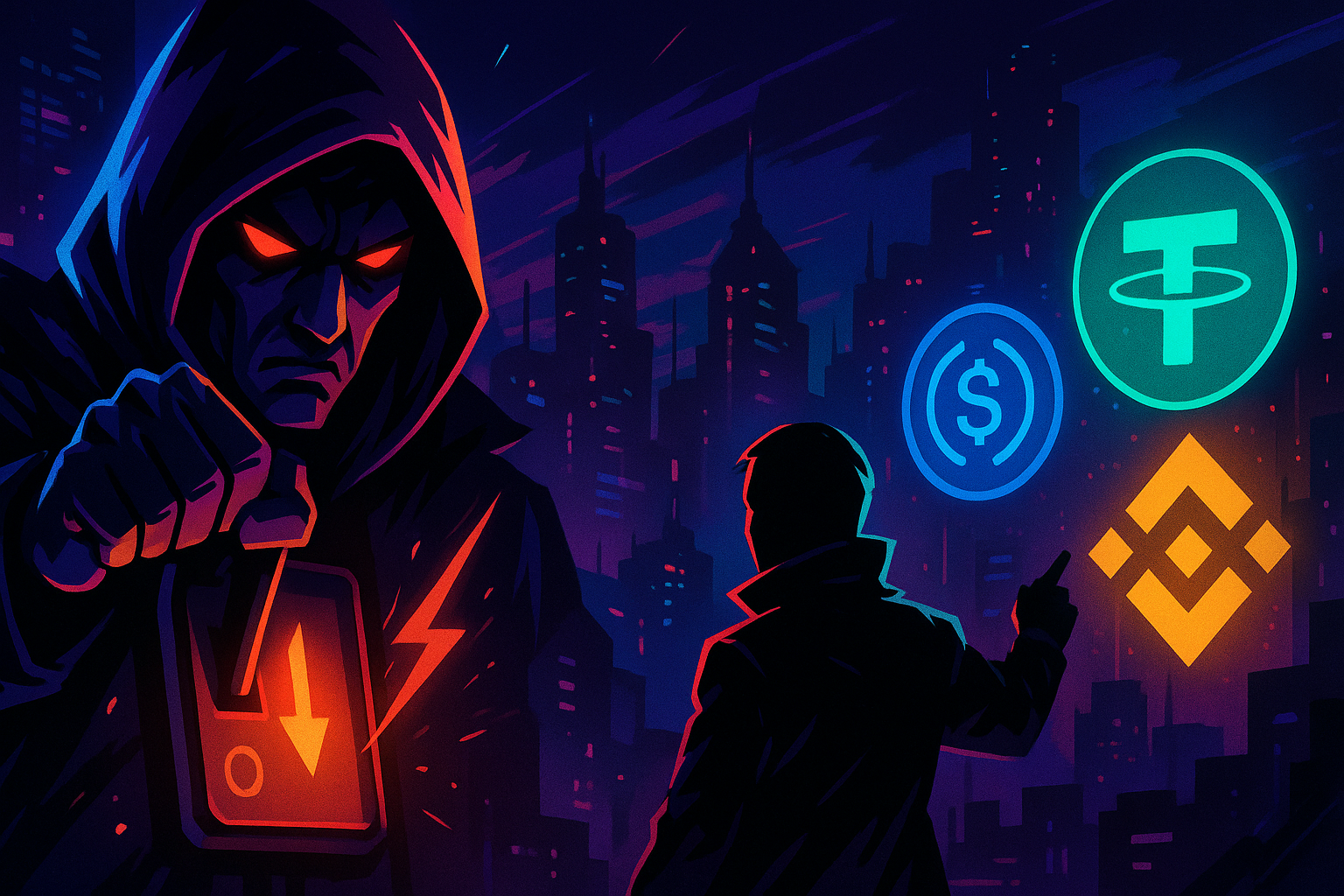
Europe didn’t just target some wallets. The EU’s 21st Russia sanctions package — announced June 9–10, 2026 — introduced something no Western government has ever deployed: a country-level crypto kill switch. One vote from Brussels can now cut any foreign nation’s entire crypto sector off from EU markets.
Russia’s response? Within hours, on the same day, Deputy Finance Minister Ivan Chebeskov stepped to the podium at the St. Petersburg International Economic Forum and announced retaliatory fees of up to 3% on USDT, USDC, and BNB — specifically the Western-linked stablecoins whose issuers have frozen sanctioned wallets before.
The crypto cold war just went thermonuclear.
What the 21st Package Actually Does
The headline number is 11 — that’s how many crypto platforms the EU has proposed banning transactions with, adding to 20 total non-EU entities (banks, exchanges, oil traders) blocked for routing money to sanctioned Russian actors. HTX (formerly Huobi), already blacklisted by the UK, is among the confirmed targets.
But the 11 platforms aren’t the real story. The kill switch is.
For the first time, the EU’s sanctions architecture operates at the jurisdiction level, not just the entity level. The mechanism works like this:
- The European Commission identifies a foreign country as materially enabling Russia’s sanctions evasion
- It can then blanket-ban all crypto-asset service activity between that country and EU-regulated markets
- No need to name individual exchanges — the entire national crypto sector gets cut off
Countries explicitly named in the analytical frame as major Russian crypto intermediary hubs: Turkey, UAE, Kazakhstan, and Hong Kong. Any of them could be the first target if the package clears a unanimous vote from all 27 EU member states.
The package also adds 31 Russian banks to the existing transaction ban list. Once implemented, the total number of sanctioned Russian banks will surpass 100.
Russia Didn’t Wait 24 Hours
The counterattack landed before the ink dried on Brussels’ announcement.
Chebeskov’s June 9 address at the St. Petersburg International Economic Forum made Russian policy crystal clear: 0.5–3% fees on crypto assets classified as “Russia-unfriendly.” The singled-out assets — USDT, USDC, and BNB — share one trait: their issuers (Tether, Circle, Binance) have previously cooperated with Western sanctions by freezing Russian-linked wallets.
The stated rationale was “investor protection.” The subtext was retaliation.
Russia has been building an alternative crypto rails system since the ruble’s exclusion from SWIFT. Now it’s actively taxing exit ramps to Western financial infrastructure.
The Intermediary Hubs Are Watching
Turkey, the UAE, Kazakhstan, and Hong Kong have collectively processed hundreds of billions in crypto flows that Western analysts trace back to Russian actors. None of them want to be the test case for a country-level EU crypto ban.
For exchanges operating from these jurisdictions — and there are major ones — this is an existential threat. A blanket ban from EU markets doesn’t just mean European users can’t access the platform. It means any EU-regulated entity (banks, payment processors, custodians) can’t touch it either.
This is the MiCA enforcement era meeting geopolitics at full force.
Why This Matters for Crypto Jobs
The EU kill switch doesn’t just affect Russian users — it reshapes the entire global compliance workforce:
Compliance & AML roles will surge. Every exchange with EU exposure now needs lawyers and analysts who understand not just individual sanctions lists, but country-level risk assessments. Expect compliance teams at mid-sized exchanges to double over the next 12 months.
Jurisdiction architecture becomes a career. The engineers and legal architects building exchange structures to survive potential country-level bans — holding companies, subsidiary splits, geo-fencing infrastructure — will be in massive demand.
Stablecoin compliance specialists are the new gold. With Russia taxing “unfriendly” stables and the EU potentially restricting entire countries where they’re issued, stablecoin compliance is no longer a niche. Every major financial institution entering crypto needs this expertise.
DeFi protocol legal exposure widens. If country-level bans pass, DeFi protocols with EU users face new questions about whether smart contracts interacting with banned jurisdictions create liability. Protocol lawyers are already being hired.
This is the kind of regulatory escalation that creates 1,000 new crypto jobs overnight — all of them in compliance, legal, and infrastructure.
The Bottom Line
The EU just handed itself a weapon it hasn’t used yet. Russia, which has been building workarounds to Western financial sanctions since 2022, immediately showed it won’t absorb this passively.
Whether the kill switch clears a unanimous EU vote, and which country gets hit first, will define the shape of global crypto compliance for the next decade. Turkey, UAE, Kazakhstan, and Hong Kong CEOs are making calls to Brussels right now.
Watch who blinks.
Looking for compliance, legal, or infrastructure roles in the new crypto regulatory landscape? Cryptogrind lists jobs at exchanges, protocols, and blockchain companies navigating exactly this. Find your next move.

Discussion
Comments are powered by GitHub. Sign in with your GitHub account to chime in.