Pump.fun Just Lit $370 Million on Fire — and the Community Is Furious
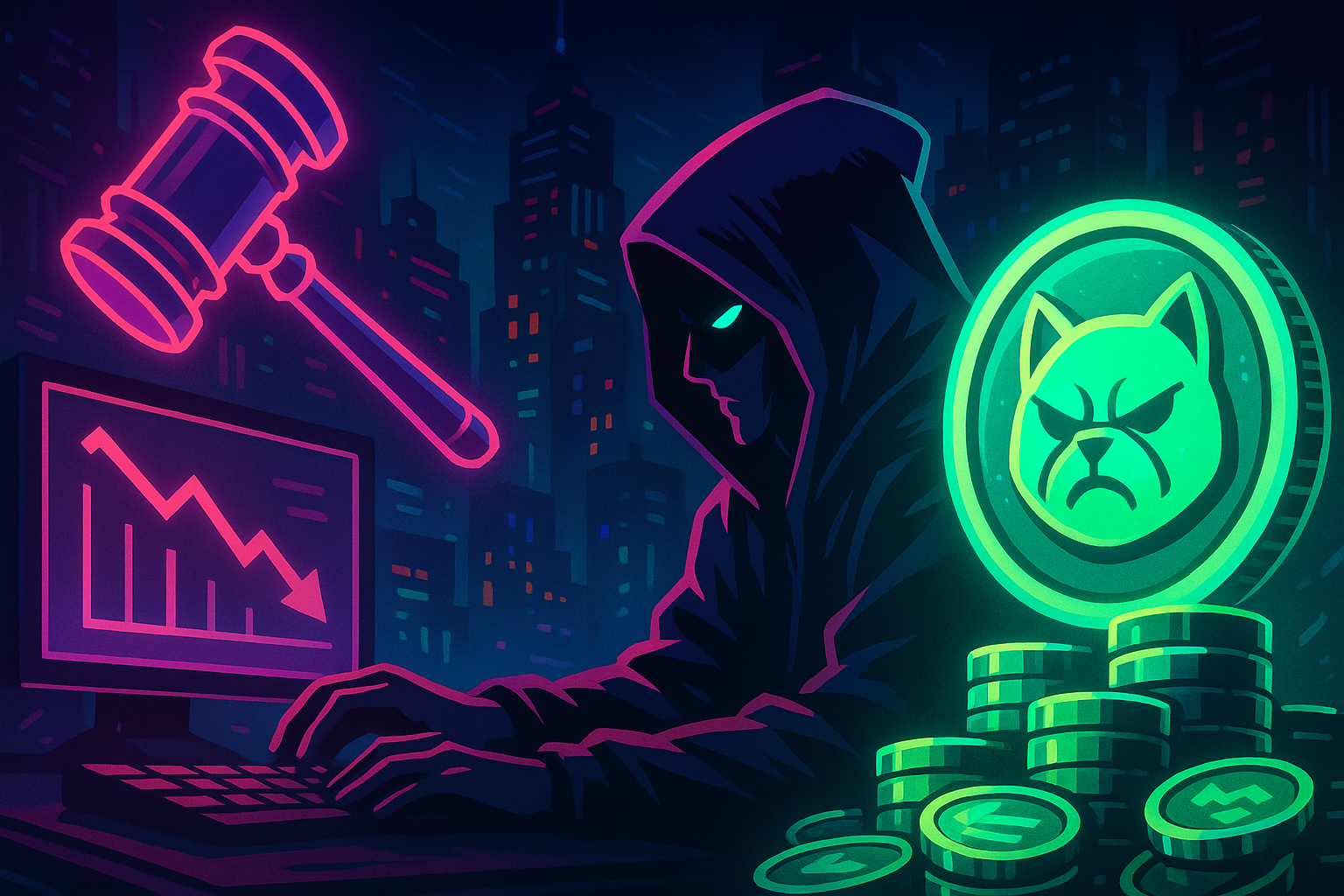
Pump.fun burned $370 million worth of its own tokens overnight. Thirty-six percent of PUMP’s entire circulating supply — gone. Permanently. In two transactions.
The price bounced 6.9%. The community exploded.
Here’s why this is a bigger deal than any token burn you’ve seen before.
What Actually Happened
For nine months, Pump.fun ran a simple policy: take every dollar of platform revenue, buy PUMP off the open market, hold it. No burning. Just accumulating. By April 2026, the team had quietly stockpiled 128 billion PUMP tokens worth approximately $320–370 million at today’s prices.
Then on April 29, they burned all of it.
- Transaction 1: 123.1 billion PUMP tokens (~$234.9M) — destroyed in a single on-chain event
- Transaction 2: 4.15 billion PUMP tokens (~$7.9M) — mopped up shortly after
Total supply reduction: ~36% of circulating supply, gone forever.
At the same time, they announced a new tokenomics model: going forward, 50% of net revenue gets auto-burned via smart contract. The other 50% funds operations, product development, hiring, and potential acquisitions.
Why the Community Is Furious
Here’s what Pump.fun didn’t account for: traders had already priced in the airdrops.
For months, the prevailing theory on Solana CT was that all those accumulated buyback tokens were being held for a reason — ecosystem incentives, early user rewards, airdrop distributions. That buyback wallet was seen as a war chest for the community. People held PUMP specifically betting that those tokens would eventually flow back to users.
Instead, Pump.fun burned them. Permanently. No redistribution, no airdrop, no retroactive rewards. Just: gone.
The backlash on X was immediate and brutal. Users who had been holding PUMP for months expecting an airdrop allocation woke up to find their expected windfall had been converted into deflationary smoke. Multiple threads accused the team of pulling a “silent rug on airdrop expectations” — destroying community-facing value to make the tokenomics look cleaner on paper.
Cryptopolitan summed it up: the burn “widened a gap between short-term user expectations and the platform’s long-term tokenomics strategy.”
The Real Reason: The Buyback Model Wasn’t Working
CoinDesk’s headline tells you everything: “Pump.fun ditches its ‘use all revenue to burn tokens’ policy as model fails to support price.”
Despite nine months of aggressive buybacks — spending essentially all daily revenue on purchasing PUMP — the token price was still down significantly from launch. The 100% buyback model burned through operational capital, left nothing for product development, and still couldn’t sustain price appreciation in a brutal bear market.
The new 50/50 split is a course correction. Half goes to burns (permanently deflationary), half goes to building the business. On paper it’s a more sustainable model. In practice, it means Pump.fun stopped buying as aggressively — and told the community the missing piece was going up in smoke rather than coming back to them.
What This Means for Solana’s Meme Economy
Pump.fun isn’t just a meme coin platform. It’s the infrastructure layer for Solana’s most active on-chain activity. The platform reportedly launched hundreds of thousands of tokens, generating hundreds of millions in fees, and became one of the most-used protocols on any blockchain.
This burn changes the game in a few ways:
Bullish case: 36% of supply destroyed permanently. Ongoing 50% revenue burn is real deflation with on-chain enforcement. If trading volume picks back up, PUMP could see sustained price appreciation from mechanical token destruction.
Bearish case: The community trust damage is real. If traders who expected airdrops exit their PUMP positions, the 6.9% pump reverses fast. And the platform now has less daily buy pressure (50% instead of 100% of revenue going to buybacks), which removes a significant market floor.
The bigger picture: This is what happens when a token launch doesn’t nail its community expectations from day one. Pump.fun’s silence about what those accumulated tokens were for created a narrative vacuum that the community filled with optimism — and now that optimism has been burned too.
Why This Matters for Crypto Jobs
The Pump.fun situation is a live case study in tokenomics design gone sideways — and it’s creating demand for people who can prevent exactly this kind of mess.
Roles heating up right now:
- Tokenomics Architects / Token Economists — Projects are desperately hiring people who can model buyback mechanics, vesting schedules, and community distribution before they become community crises
- Community & Governance Leads — Managing expectation gaps between protocol teams and token holders is a full-time job; this incident proves it
- On-chain Analytics Engineers — Tracking buyback wallets, burn rates, and supply dynamics in real time is valuable infrastructure; protocols will pay for it
- DeFi Protocol Developers (Solana) — The ecosystem keeps growing despite bear markets; Solana-native Rust/Anchor devs remain highly sought
The meme coin sector is not going away. But the platforms that survive will need serious people thinking through token mechanics with the same rigor applied to core protocol security.
Looking for your next crypto or Web3 role? Cryptogrind tracks the freshest listings across DeFi protocols, blockchain infra, and Web3 startups. Whether you’re a Solana developer, a tokenomics nerd, or a community lead who can actually read a room — find your next role at cryptogrind.com.
Discussion
Comments are powered by GitHub. Sign in with your GitHub account to chime in.